
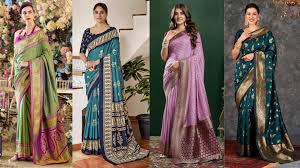
Traditional vs Modern Sarees: Which One Should You Choose?

The saree is not just a garment—it is an emotion, a cultural identity, and a timeless symbol of elegance. For centuries, Indian women have embraced sarees in different styles, fabrics, and designs. Today, the fashion world presents two major categories: traditional sarees and modern sarees.
If you are confused about traditional saree vs modern saree and wondering which one suits your personality, occasion, and lifestyle, this detailed guide will help you make the right choice.
In this 4000+ word comprehensive article, we will explore:
- What defines traditional and modern sarees
- Key differences between traditional saree vs modern saree
- Fabrics, draping styles, and embroidery variations
- Which saree suits weddings, festivals, office wear, and parties
- Styling tips for 2026
- Budget considerations
- Pros and cons of both styles
Let’s dive deep into the beautiful world of sarees.
Understanding Traditional Sarees
Traditional sarees represent India’s rich heritage and cultural craftsmanship. These sarees are deeply rooted in history and reflect regional identity.
Popular Traditional Sarees in India
Here are some iconic traditional sarees every woman should know:
- Banarasi saree
- Kanjeevaram saree
- Paithani saree
- Chanderi saree
- Bandhani saree
- Patola saree
Each of these sarees carries centuries-old weaving traditions.
Features of Traditional Sarees
1. Rich Fabrics
Traditional sarees are mostly made from:
- Pure silk
- Cotton
- Tissue silk
- Handloom fabrics
2. Heavy Embroidery & Zari Work
They feature:
- Gold and silver zari
- Handwoven motifs
- Temple borders
- Mythological designs
3. Cultural Significance
Traditional sarees are often worn during:
- Weddings
- Religious festivals
- Family rituals
- Cultural ceremonies
4. Classic Draping Style
The typical Nivi drape remains dominant, especially for ceremonial occasions.
Understanding Modern
Modern sarees are contemporary adaptations of traditional drapes. They blend Western fashion elements with Indian aesthetics.
Popular Modern Saree Styles
- Pre-stitched sarees
- Ruffle sarees
- Pant-style sarees
- Belted sarees
- Saree gowns
These styles focus on convenience, glamour, and fashion-forward designs.
Features of Modern Sarees
1. Innovative Fabrics
Modern sarees often use:
- Georgette
- Net
- Organza
- Satin
- Crepe
2. Minimalistic or Bold Designs
Instead of heavy zari, they focus on:
- Sequins
- Digital prints
- Metallic shades
- Pastel tones
3. Easy Draping
Many modern sarees are:
- Pre-stitched
- Ready-to-wear
- Lightweight
4. Fusion Styling
They pair well with:
- Crop tops
- Jackets
- Statement belts
- Contemporary blouses
Traditional Saree vs Modern Saree: Key Differences
Let’s compare both in detail.
| Feature | Traditional Saree | Modern Saree |
|---|---|---|
| Fabric | Silk, Cotton | Georgette, Net, Satin |
| Work | Heavy zari, handwoven | Sequins, digital prints |
| Occasion | Weddings, festivals | Parties, receptions |
| Draping | Classic | Pre-stitched / experimental |
| Comfort | Moderate (can be heavy) | Lightweight & easy |
| Trend Factor | Timeless | Trend-based |
Which One Should You Choose?
Now comes the most important question in traditional saree vs modern saree debate.
The answer depends on:
- Occasion
- Personal style
- Budget
- Comfort preference
- Body type
- Age group
Let’s explore each factor in depth.
Based on Occasion
1. Weddings
For bridal wear or close family weddings, traditional sarees like Banarasi saree or Kanjeevaram saree are perfect. They look royal and grand.
However, for reception parties, modern ruffle or pre-stitched sarees work beautifully.
Verdict:
- Wedding ceremony → Traditional
- Reception or cocktail → Modern
2. Festivals
Traditional sarees win during:
- Diwali
- Navratri
- Durga Puja
- Pongal
They represent culture and elegance.
Modern sarees can be worn for small festive gatherings.
3. Office Wear
For corporate environments:
- Lightweight cotton traditional sarees
- Subtle modern sarees in pastel shades
Both work, but modern sarees offer easier movement.
4. Parties & Events
Modern sarees dominate:
- Cocktail parties
- Birthday celebrations
- Corporate events
- Award functions
They are glamorous and easy to manage.
Based on Body Type
Petite Women
- Lightweight modern sarees
- Minimal border traditional sarees
Curvy Women
- Structured traditional silk sarees
- Georgette modern sarees
Tall Women
- Heavy traditional sarees look stunning
- Dramatic ruffle sarees also suit well
Budget Considerations
Traditional sarees:
- Handwoven silk sarees can be expensive
- Investment pieces
- Long-lasting heirlooms
Modern sarees:
- Affordable options available
- Trend-based
- Seasonal purchases
If you want something timeless, invest in traditional.
If you love experimenting, go modern.
Styling Tips for 2026
For Traditional Sarees
- Pair with temple jewelry
- Classic bun hairstyle
- Traditional jhumkas
- Minimal modern makeup
For Modern Sarees
- Statement belts
- Bold smokey eye makeup
- High heels
- Contemporary blouses
Pros and Cons
Traditional Saree
Pros
✔ Timeless
✔ Cultural value
✔ Ideal for grand occasions
Cons
✖ Can be heavy
✖ Expensive
✖ Requires proper draping
Modern Saree
Pros
✔ Lightweight
✔ Easy to wear
✔ Trendy
Cons
✖ May go out of fashion
✖ Less traditional value
Emotional & Cultural Value
Traditional sarees are often:
- Passed from mothers to daughters
- Stored as wedding memories
- Associated with rituals
Modern sarees focus more on:
- Fashion statements
- Social media appeal
- Celebrity trends
Celebrity Influence
Bollywood has played a major role in promoting modern sarees. Red carpet looks often feature pre-stitched and ruffle sarees.
However, for weddings and cultural movies, traditional sarees dominate.
Sustainability Factor
Handloom traditional sarees support:
- Local artisans
- Rural weaving communities
- Sustainable fashion
Modern sarees are often:
- Machine-made
- Fast fashion
If sustainability matters, traditional sarees are better.
Long-Term Investment
Traditional sarees:
- Increase in value
- Can be resold
- Never go out of style
Modern sarees:
- Short-term fashion
- Trend-sensitive
Final Comparison: Traditional Saree vs Modern Saree
If you value heritage, culture, and timeless beauty → Choose Traditional
If you value comfort, glamour, and trendiness → Choose Modern
But honestly, why choose one when you can own both?
A balanced wardrobe should include:
- 2–3 heavy traditional sarees
- 3–4 lightweight modern sarees
- 1 statement designer saree
Conclusion
The debate of traditional saree vs modern saree doesn’t have a single correct answer. Both styles serve different purposes in a woman’s wardrobe.
Traditional sarees celebrate culture, heritage, and elegance. Modern sarees embrace innovation, comfort, and contemporary fashion.
In 2026, the smartest choice is not choosing one over the other—but knowing when to wear which.
Whether it’s a grand wedding, festive celebration, office event, or cocktail party—there’s always a perfect saree waiting for you.